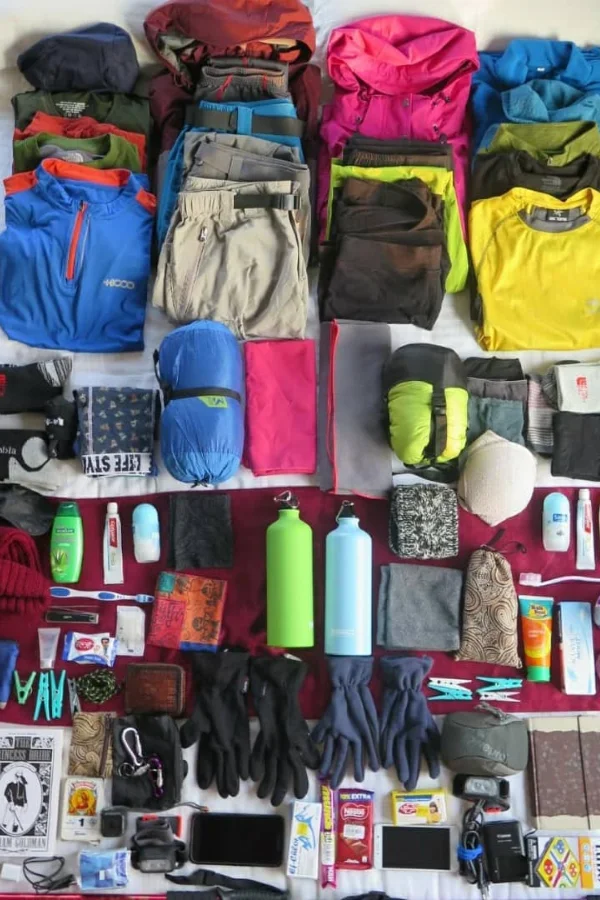
Kilimanjaro Packing List
The Complete Kilimanjaro Packing List by Chance Venture Tours
To stay safe and comfortable on your Mount Kilimanjaro climb, it’s essential to bring the right gear and supplies. Chance Venture Tours has compiled this detailed Kilimanjaro packing list to ensure you’re fully prepared for the challenge ahead.
Why Packing Right Matters
Kilimanjaro takes you through five climate zones—from humid rainforest to an arctic-like summit. Be ready for all weather conditions: sunny, rainy, windy, cold, and everything in between.
We provide tents, camp equipment, food, cooking gear, and other shared essentials. Your main gear goes into a duffel bag carried by porters (up to 15 kg), while you carry a daypack with daily necessities
Download the Printable Kilimanjaro Packing Checklist
(Available here or upon request.)
Clothing and Layering Essentials
Kilimanjaro is all about layering. Think: moisture-wicking base layer, insulating mid-layer, and waterproof outer layer. Avoid cotton—go synthetic or merino wool.
Top Base Layer
Bottom Base Layer
4–5 Pairs of Underwear
3–4 Short Sleeve Shirts
1–2 Long Sleeve Hiking Shirts
1 Insulated Trekking Pants
1–2 Hiking Trousers
1 Polartec Fleece Jacket
1 Insulated Winter Jacket
1 Hard Shell Waterproof Jacket
Basic Equipment
Daypack (30–40L) – Osprey recommended
Waterproof Duffel Bag (80–90L) – Carried by porter
4-Season Sleeping Bag (-20°C/0°F) – Available to rent
Trekking Poles – Adjustable Black Diamond preferred
Water Bottles/Bladder (3L total capacity) – No plastic bottles allowed
Neck Gaiter or Scarf – Buff or Hoo-Rag preferred
Headgear
Warm Beanie or Fleece Hat – The North Face, Berghaus, Columbia
Sun Hat – Wide-brimmed for sun protection
Headlamp – Petzl or Black Diamond, with extra batteries
Sunglasses – High UV protection (Julbo recommended)
Hands & Feet
Insulated Gloves or Mittens – Waterproof recommended
Light Gloves – Fleece or quick-dry
Trekking Boots – Midweight, broken-in, with ankle support
Camp Shoes or Sandals – For evenings at camp
Hiking Socks – Merino wool; 3–4 outer + 2–3 liner + 1 thermal pair
Gaiters – Keep mud and dust out
Upper Body Clothing
Thermal Base Layer – Merino wool (Icebreaker)
Short Sleeve Hiking Shirts – Lightweight, moisture-wicking
Long Sleeve Shirts – Light to mid-weight
Fleece Jacket – Midweight Polartec
Insulated Jacket – Down or synthetic (The North Face, Rab, etc.)
Hardshell Outer Jacket – Waterproof and breathable
Legwear
Thermal Leggings/Base Layer
Trekking Trousers – Convertible trousers optional
Waterproof Overtrousers – Preferably Gore-Tex
Toiletries & Personal Care
Plug Adapter (Type D / G – 230V, 50Hz)
Toothbrush + Toothpaste
Wet Wipes & Hand Sanitizer
Lip Balm + Sunscreen (SPF 40+)
Quick-Dry Towel
Toilet Paper (remove center roll)
Pee Bottle (optional but helpful at night)
Sleep System
Sleeping Bag (-15 to -20°C) – Rent or bring your own
Sleeping Mat – Provided (bring extra if desired)
Sleeping Bag Liner – Optional for warmth and hygiene
Compression Sack – Waterproof preferred
Inflatable Pillow – Optional
Miscellaneous Gear
Camera & Spare Batteries
Snacks – Energy bars, trail mix, dried fruit
Electrolyte Drink Mix – Enhances hydration
Ear Plugs – Camps can be noisy
Pocket Knife – Swiss Army or Leatherman
Travel Documents – Passport, visa, insurance, yellow fever certificate
Reusable Stuff Sacks – For organized packing
Medical Kit – Basic personal first aid items
Health & Medical Supplies
Prescription Medications
Diamox (if using)
Blister Plasters
Antibiotic Ointment
Anti-diarrhea Meds (Imodium)
Anti-nausea Meds
Pain Relievers (Ibuprofen/Paracetamol)
Lighting & Electronics
Headtorch with Extra Batteries – Essential for summit night
Small Flashlight (optional)
Power Bank or Solar Charger – For phones or small devices
Pro Tips for Packing
Start prepping gear early and take advantage of seasonal sales
Practice with your daypack and boots before the trek
Label and organize your packing cubes/stuff sacks
Keep important gear like boots and outerwear in carry-on luggage
Leave extra luggage at the hotel during your climb
Reach out to Chance Venture Tours anytime for help—our team is always happy to guide you!
Reminder: Plastic Ban in Tanzania
Single-use plastic bags are banned. Do not bring Ziplocs or plastic shopping bags.