

Why Climbing Mount Kilimanjaro with Chance Venture Tours Costs What It Does At Chance Venture Tours, we believe in full transparency...
Read MoreMt.Meru trekking
Venture in Mount Meru
Standing at 4,566 meters (14,980 ft), Mount Meru is a dormant stratovolcano nestled within Arusha National Park, located 70 kilometers (43 miles) west of Mount Kilimanjaro in Tanzania. The typical Mount Meru climb spans four days, though it can be completed in just three if you’re aiming for the summit.
On clear days, the mountain is visible from Mount Kilimanjaro and is considered the fifth-highest peak in Africa, depending on the criteria used. As Tanzania’s second-highest mountain, climbing Mount Meru offers a peaceful experience, with minimal crowds and the chance to encounter incredible wildlife as you trek through the park.
While Mount Kilimanjaro, the highest peak in Africa, often steals the spotlight for trekking in Tanzania, there are other incredible mountains that deserve attention. One of the most prominent is Mount Meru, located just to the west of Kilimanjaro. It serves as an excellent warm-up trek for those seeking a bigger adventure and a chance to acclimate before tackling Kilimanjaro. Chavce Venture Tours offers an exciting opportunity to explore this rewarding peak.
Mount Meru Summit: 4,566 Meters
Standing at 4,566 meters (14,980 feet), Mount Meru is a more approachable climb compared to Kilimanjaro, yet it offers an unforgettable experience in its own right. Many trekkers use Mount Meru as an acclimatization hike before ascending Kilimanjaro, which can increase their chances of summiting Uhuru Peak and potentially shorten the number of days needed to complete the Kilimanjaro climb.
Along the trail, hikers are more likely to spot wildlife, especially in the early stages of the trek. A ranger typically accompanies trekking groups on the first day to ensure their safety on the journey to the first campsite.
From there, the route winds up the north side of Meru’s volcanic crater before heading toward the true summit. The views from the top are spectacular, with Kilimanjaro visible in the distance, adding to the sense of accomplishment.
While the typical Mount Meru trek takes four days, it can also be completed in three days, with acclimatization being the key to success. All trekking groups follow the same route up the mountain, starting at Momella Gate.
Along the way, hikers stay in basic yet comfortable huts at two campsites before reaching the summit at Socialist Peak.
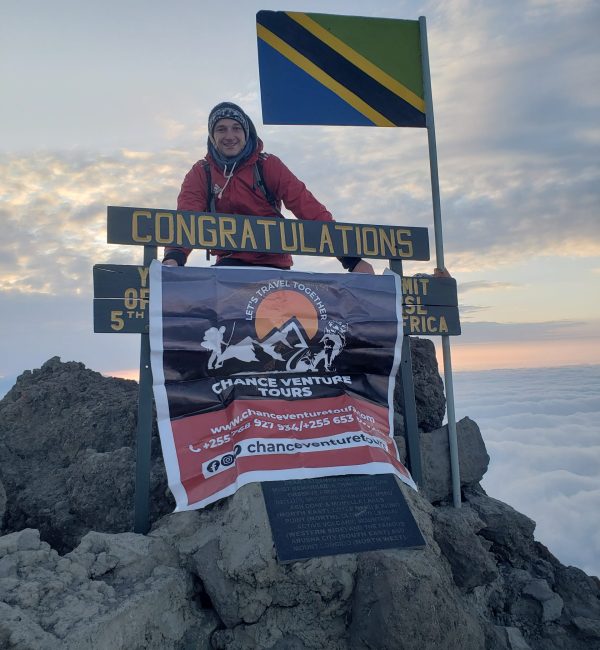
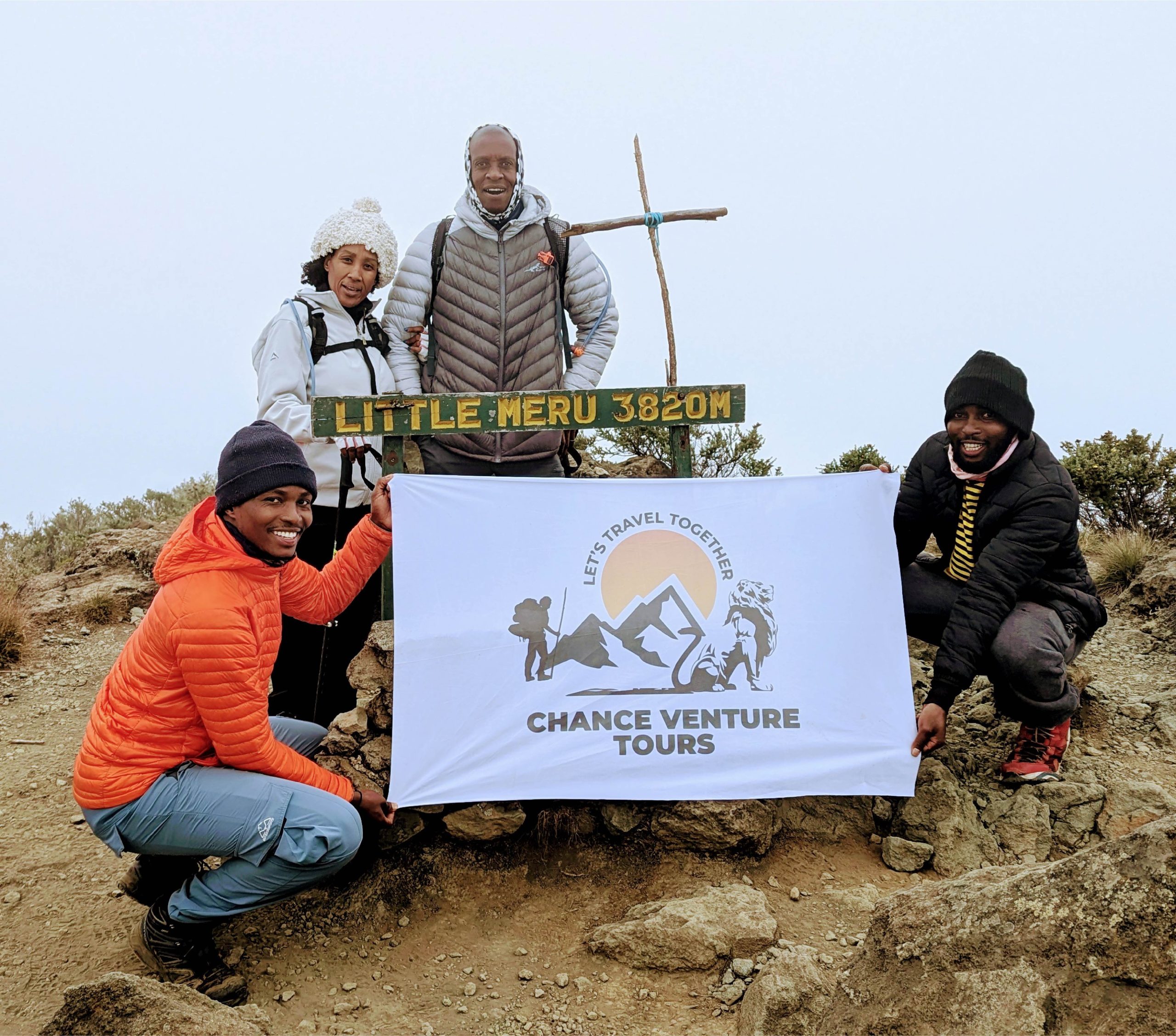
3 Days Mt. Meru Climbing
This scenic 3-day trek up Mount Meru, Tanzania’s second-highest peak, offers an unforgettable adventure through lush montane forests, home to wildlife such as colobus monkeys, buffaloes, and giraffes. The trail gradually ascends through dramatic ridgelines and open moorlands, offering ever-changing landscapes and a true sense of wilderness. As you climb higher, the scenery becomes more rugged and alpine, with clear skies often revealing spectacular views of Mount Kilimanjaro in the distance. The final ascent to Socialist Peak provides a rewarding challenge and a stunning sunrise experience from the summit. This trek is perfect for acclimatization before climbing Kilimanjaro or for those seeking a quieter, off-the-beaten-path mountain experience.
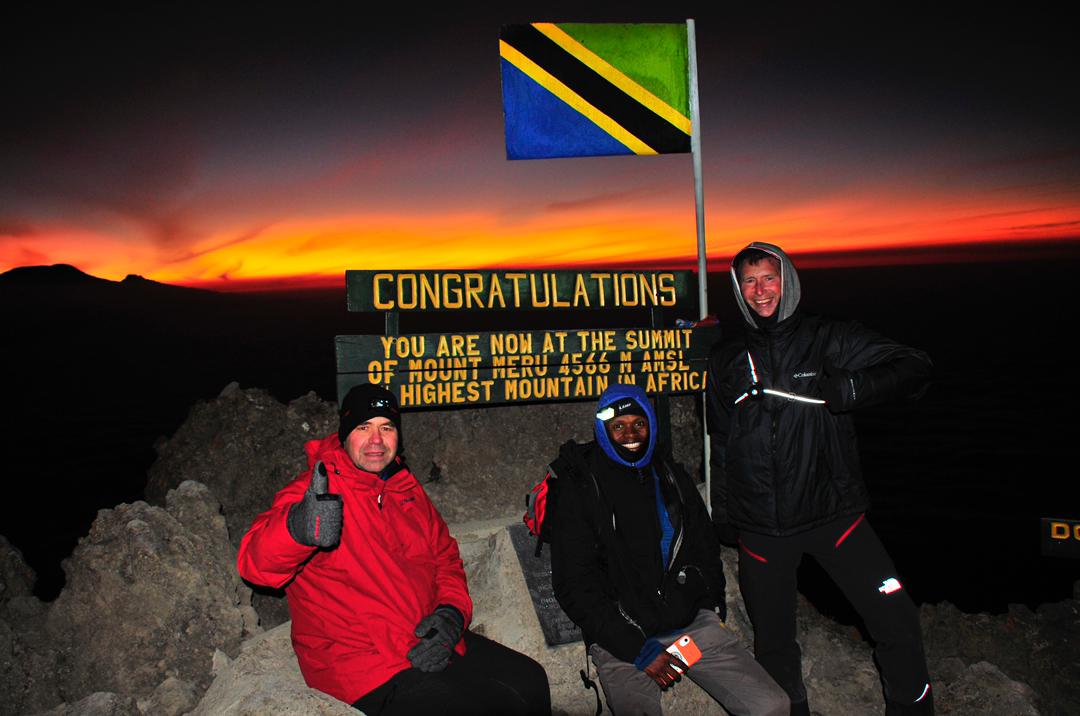
4 Days Mt. Meru Climbing
This scenic 4-day trek up Mount Meru, Tanzania’s second-highest peak at 4,566 meters, offers a rewarding adventure through diverse landscapes and abundant wildlife. Beginning in Arusha National Park, the trail winds through lush forests home to giraffes, buffaloes, and colobus monkeys, then rises through heath and moorland zones along dramatic ridgelines. On summit day, trekkers ascend early to reach Socialist Peak for a breathtaking sunrise and panoramic views of Mount Kilimanjaro. This trek is perfect for acclimatization or for those seeking a quieter, scenic alternative to Kilimanjaro.
Why Choose Mount Meru with Chance Venture Tours?
Climbing Mount Meru offers two main advantages. First, it allows trekkers to experience what it’s like to ascend a peak similar to Kilimanjaro on a smaller scale. This is ideal for those who have limited time or prefer to avoid the higher altitudes of Kilimanjaro.
More importantly, it serves as a perfect preparation for the larger challenges on Kilimanjaro. By taking on Mount Meru first, trekkers can become familiar with the acclimatization process, reducing some of the uncertainty before embarking on their Kilimanjaro adventure.
Chavce Venture Tours offers both 3-day and 4-day Mount Meru treks. Note that climbers from different groups may be combined for the hike with an armed ranger on the lower slopes for safety.
Mount Meru Climb Costs
The cost for a 3-day Mount Meru climb is USD 1,250 per person, while the 4-day climb is USD 1,650 per person. You can schedule your trek to Mount Meru year-round and choose your preferred travel dates, though we recommend avoiding the rainy season. The ideal times to climb are from January to early March and from June to October.
Mount Meru Climbing Safety
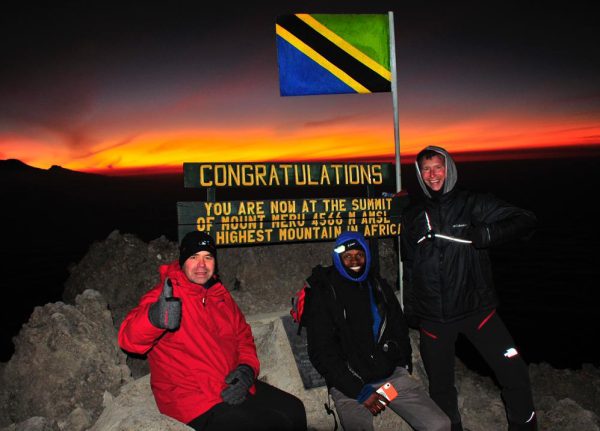
At Chavce Venture Tours, we work together as a team to ensure your safety and success on the climb. Open communication is key—always be honest about how you’re feeling, both before and during the trek. Our goal is the same: to reach the summit and return safely.
Health and Safety Tips
- Be honest about your health: Never pretend to feel well if you’re not feeling up to it. If you have any health concerns, make sure to address them with your guide.
- Physical and mental health: It’s crucial to be in good physical and mental health before attempting Mount Meru. We recommend getting a medical check-up before your climb.
- Altitude sickness: Mild symptoms of altitude sickness are common. Your guide is experienced in identifying and managing altitude-related conditions such as Acute Mountain Sickness (AMS), High Altitude Sickness (HAS), High Altitude Pulmonary Edema (HAPE), and High Altitude Cerebral Edema (HACE). If you experience AMS symptoms, descending immediately is the best course of action, and your guide will manage the situation.
Preparation Before Your Climb
- Physical training: Begin your physical preparation at least two months before your climb. We recommend hiking, swimming, and yoga to build strength and flexibility. In the final two weeks, reduce your physical efforts and focus on rest to ensure your body is fully recovered before the climb.
- Breathing techniques: Practice deep, deliberate breathing techniques, such as Pranayama, to strengthen your lung capacity.
- Packing: Ensure you are fully equipped according to our recommended gear list. Don’t forget to pack “comfort” food like chocolate, energy bars, or energy drink powders to give you an energy boost on summit night.
During Your Climb
- Stay positive and prepared: Be ready for all kinds of weather conditions, from rain and fog to snow, dust, and mud. The terrain can be challenging, so stay positive and keep your spirits high.
- Ascend slowly: Take your time and avoid overexertion. Slow and steady wins the race.
- Breathe deeply: Practice deep, deliberate breaths to maintain energy and focus.
- Communicate with your guide: Always follow your guide’s instructions—he is the most experienced person on the mountain and is there to assist you.
- Eat and drink regularly: High altitudes often suppress appetite, but it’s important to eat and drink properly, even when you don’t feel like it. Staying hydrated and fueled is essential.
- Summit day: The final ascent is tough—expect steep climbs, cold temperatures, wind, and loose gravel. Prepare yourself mentally and physically for this challenge, conserving energy from the start.
- Enjoy the experience: While challenging, this is a spiritual and unforgettable experience. Take time to appreciate the journey and the stunning views.
Feedback from Our Clients
Verified Hiking Kilimanjaro was a bucket list trip and I was in good hands with chance venture tours. It was 100% super amazing Hiking Kilimanjaro was a bucket list day trip and I was in good hands with chance venture tours. It was 100% the right choice. I’m a south Africa, traveled with a friends. We had solo hikers, couples, and 2 kids, friends in our group of 4.The group camaraderie was priceless. Chance venture tours are true professionals. I felt safe and supported the entire time, plus very well fed with tasty food and I can be a food snob sometimes too. They pick you up from airport, select a great hotel, help with any local excursions, check your gear- have gear you can rent if needed, daily medical checks on the mountain, morning wake ups w coffee or tea, snacks and hot tea during hikes. Kindly reccomended you chance venture tours for the nextadventure of your life time you wont regret to choose them!Verified A dream came true In September we climbed Kilimanjaro on the 7-day Lemosho route with Chance Venture Tours and we had an unforgettable time! Our guide Goodchance supported us at all times, motivated us with different songs and always took care of our health and well-being. He taught us a lot about the mountain, the landscape and the vegetation. We can now also speak a few words in Swahili. :-) We had a lot of laughs and unforgettable moments with the whole team, for which we are very grateful. The food was always fresh and lovingly prepared. It always tasted delicious. Many thanks to our chef Mokozi! Climbing Uhuru Peak was a dream come true. We reached the summit just in time for sunrise and were able to experience a wonderful morning atmosphere. A big thank you to our porters, Emmanuel, Calvin, Daniel, Gift, Elinami, Jemsi and Anolrd, who worked incredibly hard to support us. We will always remember this amazing week with these lovely people and thank them from the bottom of our hearts for everything. Keep up your positive attitude to life! Hakuna Matata! We can absolutely recommend this company for your Kilimanjaro adventure!Verified Lifetime Experience The guides were doing an awesome job. They care for everything specially for your safety and of course for your success to climb on top of Uhuru Peak. Beside they learned us african songs and making a lot of fun to enjoy the hike even more. Also they gave us interresting informations about the country, the people and the Vegetation. It was an lifetime experience for sure and i really can to recommend you Chance the guide and his company! Have a good hike! Cheers Chris 🙂Verified A well suited combination: On Africa’s top with Chance I hiked to Mount Kilimandscharo with Chance and is peers in a Group of six. The staff was professional and we have been taken very well care of. Mental support in tough parts included. I couldn’t be happier to make this lifetime experience in such a safe environment.Verified Life time experience. Amazing experience climbing Kilimanjaro. Always put our safety first and very supporting through . Very positive experience of life time. Thank you Good Chance.
Zanzibar Beach
This is an example page. It’s different from a blog post because it will stay in one place and will show up in your site navigation (in most themes). Most people start with an About page that introduces them to potential site visitors. It might say something like this:
News & Travel Articles
This is an example page. It’s different from a blog post because it will stay in one place and will show up in your site navigation (in most themes). Most people start with an About page that introduces them to potential site visitors. It might say something like this:

Can You Climb Kilimanjaro Without a Guide?
Why Climbing Mount Kilimanjaro with Chance Venture Tours Costs What It Does At Chance Venture Tours, we believe in full transparency...
Read More
What Is the Weather Like on Mount Kilimanjaro Year-Round?
Can You Climb Kilimanjaro Without a Guide? In 1991, the Tanzanian government and Kilimanjaro National Park passed a regulation that all...
Read More