Category: Uncategorized

  • Can you Climb Kilimanjaro Without a Guide

    Can You Climb Kilimanjaro Without a Guide?

    In 1991, the Tanzanian government and Kilimanjaro National Park passed a regulation that all trekkers must be accompanied by a registered and licensed guide. Trekkers need to register with the Parks Authority before setting out, and sign in at each camp – they are forbidden from wild camping or using caves for shelter. Rangers on the mountains will ensure that these rules are enforced.

    You’ll also need to pay park entrance fees to climb Kilimanjaro. These might seem hefty, but they include a conservation fee – to help cover the cost of maintenance – campsite fees, and even a rescue fee (just in case). You can expect to pay around $600-$800 in park fees, depending on the duration of your trek. This needs to be provided to the park authorities in advance through your tour operator, rather than independently.

  • Why Climbing Kilimanjaro Costs So Much

    Why Climbing Mount Kilimanjaro with Chance Venture Tours Costs

    What It Does

    At Chance Venture Tours, we believe in full transparency because when you understand where your money goes, you can fully appreciate the value of your Kilimanjaro adventure. Climbing Africa’s highest peak is not just a trek it’s a carefully planned expedition involving safety, logistics, ethical standards, and national regulations.

    Here’s why the experience is worth every dollar.

     1. Government-Imposed Park Fees

    Climbing Kilimanjaro means entering a protected national park. The Tanzanian government requires every climber to pay mandatory fees, including:

    • Daily park entrance

    • Camping or hut accommodations

    • Conservation levies

    • Rescue fees

    For a 6–8 day expedition, these charges alone can range from $800–$1,200 per person. These fees help preserve the mountain’s fragile ecosystem—and ensure reliable rescue operations when needed.

     2. Guides, Porters & Cooks: Your Climb Team

    Solo climbing is not allowed on Kilimanjaro. Every climb must be supported by:

    • A certified head guide (plus assistants for larger groups)

    • 2–4 trained porters per climber

    • Cooks to prepare meals

    At Chance Venture Tours, we proudly operate under the Kilimanjaro Porters Assistance Project (KPAP) guidelines to ensure all crew members are paid fairly, work under ethical conditions, and are equipped with proper gear. Supporting a hardworking team is part of what makes your experience safe, comfortable, and successful.

    Estimated cost: $500–$1,000+ per climber

     3. Logistics & Equipment

    Climbing Kilimanjaro is not a backpacking trip—it’s a mobile base camp that moves with you. We provide:

    • High-quality, weather-tested tents

    • Sleeping gear, tables, chairs, and dining setups

    • Clean drinking water and cooking supplies

    • Portable toilets and safety gear

    Maintaining this infrastructure in mountain conditions adds significant operational cost—but it’s what ensures your health, rest, and success on the trail.

    Estimated logistics cost: $300–$600 per person

     4. Safety, Quality & Responsible Operation

    At Chance Venture Tours, safety is non-negotiable. We invest in:

    • Pulse oximeters to monitor oxygen levels

    • Emergency oxygen and first-aid kits

    • Proper guide-to-climber ratios

    • Delicious, high-calorie meals to fuel your ascent

    • Strict sanitation and hygiene protocols

    We don’t cut corners. While you might see cheaper operators, the difference is often lower success rates, untrained staff, poor food, and unsafe practices.

    Operator quality cost: $500–$2,000+ depending on route and comfort level

     5. Additional Costs to Plan For

    Outside the trek package, climbers typically need to budget for:

    • Flights to Tanzania: $800–$2,000

    • Visa & vaccinations: $50–$150

    • Clothing & gear: $300–$1,000 (can be rented)

    • Tips (standard industry rate): $200–$400

    Typical Cost Breakdown (Per Person)

    CategoryEstimated Cost (USD)
    Park & permit fees$800–$1,200
    Guides & porter support$500–$1,000+
    Logistics & equipment$300–$600
    International flights$800–$2,000
    Visa & vaccinations$50–$150
    Gear & personal items$300–$1,000
    Staff tips$200–$400
    Total$2,950–$6,250+

     How to Save Without Cutting Corners

    We understand not everyone has an unlimited budget. Here are some smart ways to reduce costs while maintaining safety and ethics:

    • Choose a shorter route like Marangu (more affordable, but lower summit success rate)

    • Join a group trek instead of a private climb

    • Travel during low season (April–May or October–November)

    • Rent gear locally instead of buying new

    ⚠️ Beware of extremely low prices (under $1,350). These usually mean poor safety standards, overworked porters, inadequate food, and low summit success.

    Final Thoughts: Value Over Price

    Climbing Kilimanjaro is a life-changing achievement—and one that deserves to be done safely, ethically, and successfully. At Chance Venture Tours, we’re committed to delivering an experience that justifies every dollar you spend, from top-tier logistics to responsible porter treatment.

    When you choose us, you’re not just booking a trek. You’re joining a mission—to climb responsibly, travel ethically, and summit proudly.

    Would you like us to build this out into a full Kilimanjaro pricing page with images, testimonials, and calls-to-action? I can draft that too.

  • Altitude Sickness on Kilimanjaro

    Altitude Sickness on Mt. Kilimanjaro

    At Chance Venture Tours, your safety and success on Mount Kilimanjaro are our top priorities. Climbing Africa’s highest peak is a once-in-a-lifetime adventure — but it comes with real physical challenges, especially altitude sickness.

    What Is Altitude Sickness?

    Altitude sickness, or Acute Mountain Sickness (AMS), occurs when your body struggles to adapt to the reduced oxygen levels at higher elevations. It can affect anyone  regardless of age, fitness level, or previous hiking experience.

    Common symptoms include:

    • Headache

    • Nausea or vomiting

    • Dizziness or fatigue

    • Shortness of breath

    • Loss of appetite

    • Difficulty sleeping

    If left untreated, AMS can progress into more severe conditions such as High Altitude Pulmonary Edema (HAPE) or High Altitude Cerebral Edema (HACE), which can be life-threatening.

    How We Help You Prevent It

    At Chance Venture Tours, we have decades of experience guiding climbers safely to the summit. Here’s how we help minimize your risk of altitude sickness:

    Carefully Selected Routes: We recommend longer routes like Lemosho or Machame, which allow for better acclimatization.

    Experienced Guides: Our certified mountain guides are trained to detect and manage symptoms early. They monitor your health daily and make safety-first decisions at every step.

    Acclimatization Days: Our itineraries include rest and acclimatization days to help your body adjust gradually to the altitude.

    Oxygen & Emergency Support: We carry oxygen and pulse oximeters on all treks, and we’re equipped with evacuation plans in case of emergencies.

    Education & Preparation: Before your trek, we’ll guide you through pre-trip training, hydration strategies, and medications like acetazolamide (Diamox) that can aid acclimatization.

    Tips to Avoid Altitude Sickness

    • Climb slowly. “Pole pole” (slowly, slowly) is the key on Kilimanjaro.

    • Hydrate well. Drink at least 3–4 liters of water daily.

    • Eat enough. Even if you lose your appetite, fuel your body with high-energy meals.

    • Sleep low. “Climb high, sleep low” helps with acclimatization.


    Your Safety Is Our Commitment

    Climbing Kilimanjaro is a challenge  but with proper guidance and precautions, it’s absolutely achievable. With Chance Venture Tours, you’re not just climbing a mountain  you’re doing it with a team that puts your health and success above all else.

    Have questions or want personalized advice? Contact Us today to speak with our Kilimanjaro specialists.

  • When is the Best Time to Climb Kilimanjaro?

    Best Time to Climb Mount Kilimanjaro

    Best Time to Climb Mount Kilimanjaro

    Mount Kilimanjaro can be climbed year-round, but certain months offer better conditions than others. The best time to climb is during the dry seasons, which typically run from December to early March and late June through October. During these months, the weather is more stable, with clear skies, sunny days, and minimal rain ideal for trekking and photography.

    Recommended Climbing Months

    The most favorable months are January, February, July, August, September, and October. These periods offer the best combination of dry weather, clear visibility, and manageable trail conditions. However, it’s important to remember that weather on Kilimanjaro can be unpredictable at any time of year.

    While you can climb Kilimanjaro during any month, we strongly advise avoiding April and November, as these are the peak of the rainy seasons. Wet trails can be slippery and muddy, increasing the difficulty and reducing visibility.

    Month-by-Month Guide to Climbing Kilimanjaro

    January to Early March

    These months provide excellent trekking conditions—mostly dry, clear days with good visibility. You may encounter some snow above 14,000 feet, creating dramatic summit views.

    • Pros: Dry weather, less crowded than peak season, chance of snow on the summit.

    • Best for: Climbers seeking good weather without large crowds.

    March to May

    Early March can still be pleasant, but rains typically begin mid-month. April and early May are the “long rains” season and are generally not suitable for trekking.

    • Pros: Fewer crowds.

    • Cons: Muddy trails, cloud cover, poor visibility.

    • Best for: Experienced trekkers comfortable with wet and challenging conditions. Consider the Northern Circuit or Rongai Route for less rainfall.

    June to September

    This is the main climbing season due to the combination of favorable weather and summer holidays in Europe and the U.S. July and August are particularly busy.

    • Pros: Ideal weather, sunny days, great views.

    • Cons: Trails can be crowded, especially on popular routes like Marangu and Machame.

    • Best for: Those prioritizing the best weather and willing to deal with crowds. June and September offer a nice balance.

    October to November

    November brings the “short rains,” usually less intense and concentrated in the afternoons. The mountain is very quiet during this period.

    • Pros: Fewer climbers, peaceful trails.

    • Cons: Higher chance of rain, slick trails, lower visibility.

    • Best for: Trekkers with experience and rain gear, looking to avoid crowds. The Rongai and Northern Circuit routes are more sheltered.

    Key Considerations for Planning Your Climb

    Weather Patterns

    Kilimanjaro, located near the equator, doesn’t follow the traditional four seasons. Instead, it has dry and rainy seasons. The best weather is typically from January to early March and June to October, when clear skies and sunshine make for comfortable hiking and stunning views.

    Temperature

    Temperature varies greatly depending on altitude. The summit area is in an Arctic climate zone, with freezing temperatures year-round. December to March and June (right after the rains) are usually colder and may bring snow to higher elevations.

    Rainfall
    • Long rains: Late March through May (avoid climbing).

    • Short rains: November (climbing possible but with wet conditions).

    Even during dry seasons, brief showers especially in the forested lower zones are always possible, so rain gear is essential.

    Visibility

    During the rainy months (April–May and November), cloud cover can limit visibility. Clear skies are much more common in the dry season, offering better panoramic views and photo opportunities.

    Crowds

    Kilimanjaro is busiest during January to early March and June to October. Popular routes like Marangu and Machame can become crowded, especially around full moons.

    For a quieter experience, choose lesser-traveled routes like the Northern Circuit, Rongai, or Lemosho. And don’t worry about campsite facilities we provide private toilet tents for your comfort.

    Final Thoughts

    Whether you’re chasing solitude, scenery, or summit success, choosing the right time to climb Kilimanjaro can make all the difference. For the best combination of weather, visibility, and trail conditions, plan your adventure for the dry months. But no matter when you go, with the right preparation and mindset, climbing Kilimanjaro is always a rewarding and unforgettable experience.

  • Chance Venture Tours Tipping Guide

    Tipping Guide

    Chance Venture Tours Tipping Guide

    Tipping in Tanzania when on safari is considered customary, but not mandatory. It’s a way of showing your appreciation for the people who work to make your safari experience an unforgettable one.

    Is tipping mandatory on a Tanzania Safari?

    No. Tipping is not mandatory in the Tanzanian service and tourism industry. However, it is a bit customary. It is seen as a way to show your appreciation for the services provided. However, whether you tip or not should come down to your level of satisfaction with the service, you should never be forced into a situation where you feel you absolutely have to tip.

    Our view is that tips, when deserved, can help boost the confidence of the staff and validate the care and attention that they provide.

    Simplified rule:

    If you are satisfied and want to tip, absolutely do so.

    If you aren’t satisfied, it is ok to not do so.

     What is the right time to tip?

    For your safari driver-guides

    When it comes to tipping your safari driver-guide, the customary practice is to at the end of the safari, as you bid farewell. Not only does this allow you to assess the overall quality of their service but also is seen as a parting gift.

    For Kilimanjaro Mountain climbing

    For Mountain climbers on Kilimanjaro, or even other mountains in Tanzania, the custom is to usually tip on the last day. You will often find the entire team coming together for a celebration, bidding you farewell on the start of the hike on your last day, descending to one of the gates. This is a good time to consolidate your group tips and hand it over to the head guide. The head guide would then distribute the tips to the entire team later on. If you want to specifically tip an individual team member then you can surely do that as well.

    Tipping your safari driver-guides

    For Small Group Safaris, between 2-4 people

    You may tip between USD 10 and USD 20 per traveller, per day.

    E.g. USD 200 for a 5-day safari for a honeymoon couple.

    For Large Group Safaris, more than 5 people

    You may tip collectively between USD 30 to USD 40 per group, per day.

    E.g. USD 280 for a 7 day safari for a family of 6.

    For half-day safaris and tours, you may tip half the suggested range. Tips to Safari Driver-Guides are usually given at the end of the Safari when bidding farewell.

    Tipping staff at camps and lodges

    You may tip between USD 2 and USD 4 per traveller, per day – at checkout if you are tipping in the community tip jar, or you may also tip a similar amount individually to help and support staff that have served you personally during your stay.

    Tipping Staff at Restaurants

    Tips of between 3-5% of the total bill are considered normal, whereas tips of about 10% of your bill would be considered very generous. If you are paying by card, and the establishment does allow you to process a tip payment, then you can do that as well.

    Tipping Porters

    Hotel and airport porters may be tipped USD 1.00 to USD 3.00 either each time you happen to use them or in general upon checkout (if part of a Camp or Lodge).

    Tipping City/Airport Transfer Drivers

    Tips for transfers are not common and not expected. However, if you do feel like giving a tip on a private city transfer then you may tip between USD 2.00 and USD 4.00 per transfer depending on the distance and time taken.

    Kilimanjaro Tipping Guide

    Tips for the Mountain crew are regular practice and Tipping on Kilimanjaro is vast as you will need to whole team to climb with you, like guides, porters, cooks and other crew members. However, the decision on How Much Should You to Tip on Kilimanjaro does not depend on whether you have reached the summit or not but how well the Kilimanjaro guides served you.

    We Recommend You to Tip Moderately but Definitely To the Hard-Working Kilimanjaro Staff Who Strive 24/7 Hours to Make Your Climb Successful.

    A simple guide to tipping right on Kilimanjaro—because appreciation goes a long way. summit success.

    Guides $20-25 per day           

    Assistant Guide          $15-20 per day

    Cook $13-15 per day  ­

    Porter $10-12 per day

    This table show the tipping structure and Total amount per Climber


    1 Climber

    2 Climber

    3 Climber

    4 Climber

    Guides

    $120-150

    $120-150

    $240-300

    $240-300


    Ass. Guide

    $90-120

    $90 – 120

    $180-240


    Cooks

    $90

    $90

    $180

    $180


    Porters

    $120-180

    $300-360

    $480-540

    $840-900


    Total For Group

    $330-420

    $600-720

    $990-1140

    $1440-1620


    Per Climber

    $330-420

    $300-360

    $330-380

    $360-405


    Final Thoughts?

    While this Tanzania Tipping Guide is designed to help you get a starting point, it is by no means cast in stone and you may use your own experience and you own good judgement to tip, or not to tip, the way you deem reasonable.

    As an important reiteration, you should never be made to feel pressured into tipping. If you are ever in such a case then engage your safari guide, or better yet your safari operator, and bring up the issue so that it can be worked on.
  • The Complete Kilimanjaro Packing List by Chance Venture Tours

    Kilimanjaro Packing List

    The Complete Kilimanjaro Packing List by Chance Venture Tours

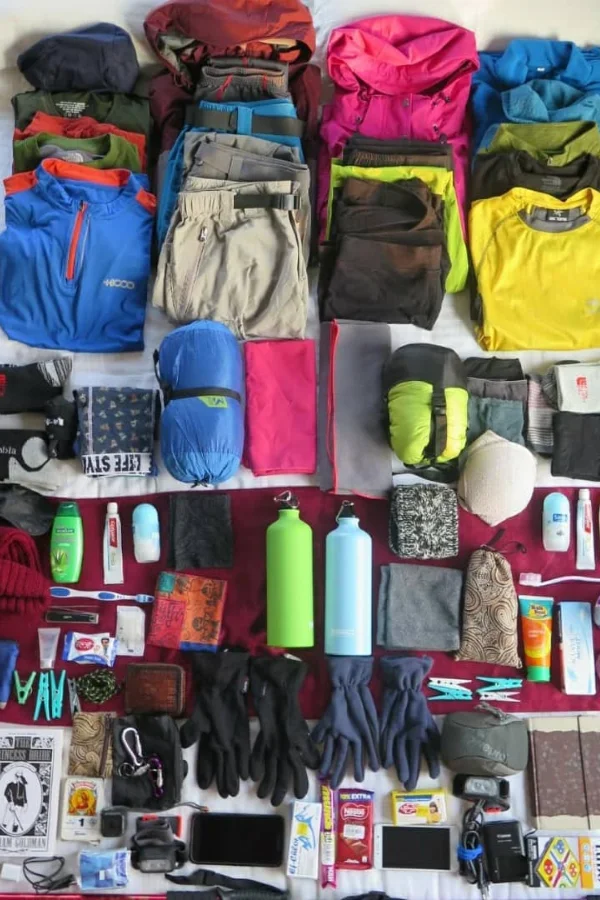
    To stay safe and comfortable on your Mount Kilimanjaro climb, it’s essential to bring the right gear and supplies. Chance Venture Tours has compiled this detailed Kilimanjaro packing list to ensure you’re fully prepared for the challenge ahead.

    Why Packing Right Matters

    Kilimanjaro takes you through five climate zones—from humid rainforest to an arctic-like summit. Be ready for all weather conditions: sunny, rainy, windy, cold, and everything in between.

    We provide tents, camp equipment, food, cooking gear, and other shared essentials. Your main gear goes into a duffel bag carried by porters (up to 15 kg), while you carry a daypack with daily necessities

    Download the Printable Kilimanjaro Packing Checklist

    (Available here or upon request.)

    Clothing and Layering Essentials

    Kilimanjaro is all about layering. Think: moisture-wicking base layer, insulating mid-layer, and waterproof outer layer. Avoid cotton—go synthetic or merino wool.

    • Top Base Layer

    • Bottom Base Layer

    • 4–5 Pairs of Underwear

    • 3–4 Short Sleeve Shirts

    • 1–2 Long Sleeve Hiking Shirts

    • 1 Insulated Trekking Pants

    • 1–2 Hiking Trousers

    • 1 Polartec Fleece Jacket

    • 1 Insulated Winter Jacket

    • 1 Hard Shell Waterproof Jacket

     Basic Equipment
    • Daypack (30–40L) – Osprey recommended

    • Waterproof Duffel Bag (80–90L) – Carried by porter

    • 4-Season Sleeping Bag (-20°C/0°F) – Available to rent

    • Trekking Poles – Adjustable Black Diamond preferred

    • Water Bottles/Bladder (3L total capacity) – No plastic bottles allowed

    • Neck Gaiter or Scarf – Buff or Hoo-Rag preferred

     Headgear

    • Warm Beanie or Fleece Hat – The North Face, Berghaus, Columbia

    • Sun Hat – Wide-brimmed for sun protection

    • Headlamp – Petzl or Black Diamond, with extra batteries

    • Sunglasses – High UV protection (Julbo recommended)

    Hands & Feet

    • Insulated Gloves or Mittens – Waterproof recommended

    • Light Gloves – Fleece or quick-dry

    • Trekking Boots – Midweight, broken-in, with ankle support

    • Camp Shoes or Sandals – For evenings at camp

    • Hiking Socks – Merino wool; 3–4 outer + 2–3 liner + 1 thermal pair

    • Gaiters – Keep mud and dust out

    Upper Body Clothing

    • Thermal Base Layer – Merino wool (Icebreaker)

    • Short Sleeve Hiking Shirts – Lightweight, moisture-wicking

    • Long Sleeve Shirts – Light to mid-weight

    • Fleece Jacket – Midweight Polartec

    • Insulated Jacket – Down or synthetic (The North Face, Rab, etc.)

    • Hardshell Outer Jacket – Waterproof and breathable

    Legwear

    • Thermal Leggings/Base Layer

    • Trekking Trousers – Convertible trousers optional

    • Waterproof Overtrousers – Preferably Gore-Tex


     Toiletries & Personal Care

    • Plug Adapter (Type D / G – 230V, 50Hz)

    • Toothbrush + Toothpaste

    • Wet Wipes & Hand Sanitizer

    • Lip Balm + Sunscreen (SPF 40+)

    • Quick-Dry Towel

    • Toilet Paper (remove center roll)

    • Pee Bottle (optional but helpful at night)

     Sleep System

    • Sleeping Bag (-15 to -20°C) – Rent or bring your own

    • Sleeping Mat – Provided (bring extra if desired)

    • Sleeping Bag Liner – Optional for warmth and hygiene

    • Compression Sack – Waterproof preferred

    • Inflatable Pillow – Optional

     Miscellaneous Gear

    • Camera & Spare Batteries

    • Snacks – Energy bars, trail mix, dried fruit

    • Electrolyte Drink Mix – Enhances hydration

    • Ear Plugs – Camps can be noisy

    • Pocket Knife – Swiss Army or Leatherman

    • Travel Documents – Passport, visa, insurance, yellow fever certificate

    • Reusable Stuff Sacks – For organized packing

    • Medical Kit – Basic personal first aid items

     Health & Medical Supplies

    • Prescription Medications

    • Diamox (if using)

    • Blister Plasters

    • Antibiotic Ointment

    • Anti-diarrhea Meds (Imodium)

    • Anti-nausea Meds

    • Pain Relievers (Ibuprofen/Paracetamol)

     Lighting & Electronics

    • Headtorch with Extra Batteries – Essential for summit night

    • Small Flashlight (optional)

    • Power Bank or Solar Charger – For phones or small devices

     Pro Tips for Packing

    • Start prepping gear early and take advantage of seasonal sales

    • Practice with your daypack and boots before the trek

    • Label and organize your packing cubes/stuff sacks

    • Keep important gear like boots and outerwear in carry-on luggage

    • Leave extra luggage at the hotel during your climb

    • Reach out to Chance Venture Tours anytime for help—our team is always happy to guide you!

     Reminder: Plastic Ban in Tanzania

    Single-use plastic bags are banned. Do not bring Ziplocs or plastic shopping bags.

    kilimanjaro-packing-list
  • Food on Mt. Kilimanjaro

    Food on Mount kilimanjaro

    Daily Kilimanjaro Sample Menus

    During your Kilimanjaro climb, you’ll enjoy a variety of meals designed to fuel your adventure. We provide a dining tent with chairs for your meals, ensuring comfort after a long day on the trail. While the menu may vary from day to day, here’s an idea of what to expect:

    Breakfast:

    Start your day with a hearty breakfast, typically porridge followed by eggs and sausage, toast with marmalade or jam, and a hot drink such as tea, coffee, or hot chocolate. We understand that appetites vary, so feel free to let your guide know if you have any specific preferences or if you need more or less food. We’ll always make sure you have enough to fuel your climb.

    Lunch:

    Lunch will usually be a packed meal that you’ll carry in your daypack. It typically includes a boiled egg, sandwiches, a portion of chicken, fresh fruit, and a cold drink. After a long day’s hike, we treat you to afternoon tea, which includes biscuits, peanuts, and salted popcorn, along with plenty of hot drinks to refresh you.

    Dinner:

    Your evening meal begins with a warm soup, followed by a main course of chicken or meat, vegetable sauce, cabbage, and a choice of rice, pasta, or potatoes. For dessert, you can enjoy fresh fruit. While you may be far from home, we know it’s nice to enjoy some familiar brands, so don’t be surprised to see favorites like Heinz, Nescafé, and Nestlé.

    We can accommodate all dietary restrictions, so please let us know in advance. For very strict diets, we recommend bringing your favorite energy foods, as some specialty ingredients may be difficult to find in Tanzania.


    Altitude and Appetite:

    At high altitudes, it’s common to experience a reduced appetite. To help keep you energized, we provide meals rich in carbohydrates, as they are the most efficient fuel at altitude. According to the US Army Research Institute of Environmental Medicine, a high-carb diet aids in muscle recovery, replenishes glycogen stores, and helps mitigate symptoms of acute mountain sickness (AMS) by increasing blood oxygenation and ventilation.

    Carb-based meals are often more palatable at altitude than high-protein or fatty foods, as your body’s metabolism and energy needs change. Given the physical exertion of the climb, your energy requirements are higher than they would be at sea level, and our meals are designed to support that.

    Even seasoned hikers who are used to eating dehydrated meals on the trail are often pleasantly surprised by the quality and variety of the food we provide. We use only fresh ingredients, and there are no dehydrated “ready meals” in our kitchens. All food is carried up the mountain by our porters to ensure you enjoy fresh, wholesome meals at every camp.


    Drinking Water on Kilimanjaro

    We prioritize your health and safety by providing boiled, filtered, and purified water throughout your climb. One of the common causes of gastrointestinal problems in Africa is drinking untreated water, so we treat all the water we use—whether for drinking, washing food, or cooking.

    Staying hydrated is essential for acclimatization, as the dry air, exertion, and altitude can quickly lead to dehydration. If you’re using Diamox to help with altitude adaptation, it’s even more important to stay hydrated. We recommend drinking 3-4 liters of water per day to maintain hydration.

    At each Kilimanjaro camp, you’ll have access to tea, coffee, hot chocolate, squash, and fruit juices. However, we don’t provide sodas or bottled water, so be sure to bring along any personal flavoring drops or electrolyte supplements to keep your water enjoyable.

    Hydration and proper nutrition will keep you energized and support your body’s adaptation to the challenges of climbing Mount Kilimanjaro

  • What to Park for Tanzania Safari

    Safari Packing List

    In this Tanzania safari packing list, we will go through all the items you need to take with you and explaining as to why you should bring them with you.

    Let’s get started.

    Travel Documents and Currency

    This might seem like an obvious item to take with you, but it can be very easy to forget them if you are in a hurry. The documents and currency that you will need are as follows:

    Currency: It is best to be as prepared as possible when it comes to the money that you bring with you, so a mixture of debit or credit cards as well as cash is going to be your best bet. When it comes to what currency you are able to use in Tanzania, you can use US dollars so long as they are dated after 2006 as they are accepted in most major establishments in the country. You will also need to make sure that you have some Tanzanian shillings, as they will often be used in smaller establishments.

    Passport: This is a no-brainer, but it can sometimes be tough to remember to pick up your passport on your way out of the door. Make a note about remembering your passport somewhere that you can be sure that you will see it- such as on the fridge or on the bathroom mirror- to help you keep it in mind. You will also need to make sure that your passport has a minimum validity of six months.

    Plane Ticket: Another obvious necessity, but again, it can be easy to forget them when you’re in a hurry.

    Visa: E-visas are recommended as they can be ordered in advance, and they can be useful when it comes to avoiding any potential issues with obtaining a physical visa once you get to Tanzania. However, if it is necessary, they are available upon arrival in the country.

    Travel Insurance: This insurance will keep you covered for issues that might pop up during your trip to Tanzania, such as cancellations, flight delays, evacuations, theft, or loss of property, and any necessary medical expenses.

    Covid-19 documentation: As of January 2023 travellers can come in and out of the country without any Covid-19 documentation (vaccination and/or PCR-test).

    What to Pack for Your Tanzania Safari
    Packing for a safari in Tanzania can be tricky, as the weather varies depending on the season. Tanzania experiences both dry and wet seasons, with the dry periods occurring from January to February and June to October, while the wet seasons span from March to May (the heavier rains) and November to December.

    Clothing
    For a dry-season safari, rain is unlikely, but it’s still a good idea to pack a light jacket just in case. Otherwise, breathable, lightweight clothing will keep you comfortable. During the wet season, heavier clothing such as scarves and thicker jackets are recommended.

    Regardless of the season, certain clothing essentials should always be included in your packing list:

    Long-sleeved shirts
    Trousers
    Shorts
    Waterproof jacket
    T-shirts
    Socks
    Warm sweaters
    Swimsuits
    Hats
    Neutral-colored, lightweight clothing is the best choice for a safari, and layering is key to adapting to temperature changes throughout the day.

    Footwear
    If your safari includes walking tours, sturdy and comfortable footwear is essential. Pack:

    A pair of durable sneakers or hiking boots with ankle support
    Flip-flops or sandals for relaxing at lodges or the beach
    Medical Kit
    A small but well-stocked first aid kit can be a lifesaver. Be prepared for minor injuries or common illnesses by bringing:

    Antibacterial medicines
    Anti-malaria tablets
    Antidiarrheal medications
    Band-aids
    Gauze and bandages
    Adhesive tape
    Hand sanitizer
    Eye drops
    Nasal spray
    Even a compact first aid kit will be useful as long as it contains the essentials to handle minor cuts, bruises, or reactions.

    Toiletries
    Your toiletries should include the basics you’d pack for any trip:

    Toothpaste & toothbrush
    Soap & shampoo
    Conditioner
    Mouthwash
    Deodorant
    Travel towels
    Hairbrush
    Lotions
    Feminine hygiene products (if needed)
    Since safaris often involve exposure to insects, strong insect repellent is a must to prevent bites and irritation.

    Sun Protection
    You’ll spend long hours outdoors, so sun protection is crucial. Be sure to bring:

    High-SPF sunscreen
    After-sun lotion
    A wide-brimmed hat
    Sunglasses
    Electronics & Gadgets
    Capturing your safari moments is a must! Along with your phone, consider bringing:

    A camera
    Extra memory cards
    Spare batteries
    Chargers (for both your phone and camera)
    Universal plug adapters
    Binoculars
    If traveling during the rainy season, waterproof bags or protective covers for your electronics will help keep them safe.

    Baggage
    To keep your belongings organized, pack a mix of storage options, such as:

    A backpack
    A waterproof duffel bag
    A daypack
    Zip-lock bags for small items
    Final Thoughts
    With careful planning and the right packing strategy, your Tanzania safari will be a seamless and unforgettable adventure. Stay organized, prepare for varying weather conditions, and enjoy the incredible experience ahead!

  • How hard is Baranco Wall?

    How Hard is Baranco Wall?

    Mount Kilimanjaro, Africa’s highest peak, is famous not only for its majestic height but also for the diverse landscapes and challenges that await climbers. One of the most talked-about sections of the climb is the Barranco Wall, which rises dramatically on the mountain’s southern face.

    The Barranco Wall is often the subject of intrigue and concern for climbers due to its steep ascent and imposing appearance. With its reputation for being a tough obstacle, many wonder: Is the Barranco Wall really as intimidating as it seems?

    This blog post takes a closer look at the Barranco Wall, addressing the key challenges it presents, and provides you with the information needed to make an informed decision about whether or not you’re ready to take on this famous feature during your Mount Kilimanjaro climb.

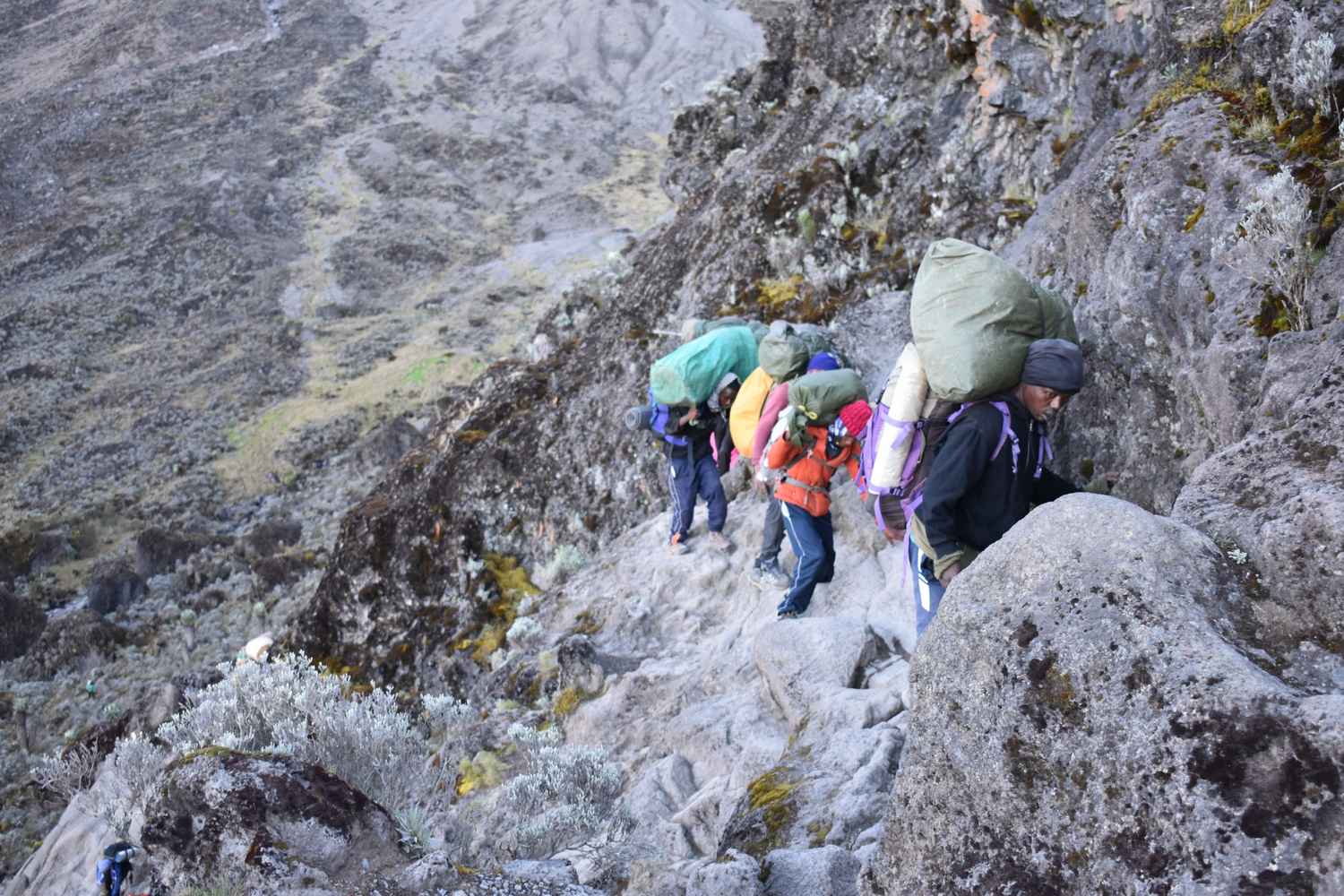
    Situated at approximately 4,200 meters, the Barranco Wall is a formidable obstacle when Climbing Kilimanjaro. It is known to many as the Breakfast Wall since climbers usually tackle it after their morning meal.

    Moreover, its steep ascents and risky paths provide a significant challenge even to seasoned trekkers climbing up to Africa’s majestic peak.

    • Physical description and location

    Standing tall and challenging, the Barranco Wall is characterized by its rocky outcrops and narrow paths. Located within the southern face of Mount Kilimanjaro, it serves as a natural barrier between climbers and the higher altitudes that await them during Mount Kilimanjaro Climbing expeditions.

    • Relevance on Kilimanjaro’s trekking routes

    The Wall features prominently on several Kilimanjaro Climbing Tours. Its position demands attention, respect, and preparation from trekkers, making it a key point of many Kilimanjaro Routes to the summit.

    Though challenging, the Barranco Wall represents one of the journey’s most memorable and rewarding sections.

    First Impressions of Climbing the Barranco Wall on Kilimanjaro

    Climbing Kilimanjaro is a journey filled with diverse challenges, and one of the most striking features of the ascent is the Barranco Wall. As climbers emerge from the dense alpine forests and come face to face with this towering rock face, their reactions are often a mix of awe and apprehension.

    What Trekkers Say About Their First Glimpse of the Barranco Wall

    Many climbers describe the Barranco Wall as “majestic,” “daunting,” and “awe-inspiring.” These words pop up frequently in travel blogs and personal accounts as trekkers reflect on their initial sighting of the wall.

    For most, the Barranco Wall becomes a symbol of the challenges that lie ahead on the Mount Kilimanjaro hike. It is the first truly intimidating obstacle that climbers face, and it sets the tone for the adventure to come.

    The Initial Anxiety

    When first seeing the Barranco Wall, many trekkers experience nervousness and uncertainty. The steepness of the wall and the sight of tiny climbers scaling its heights can spark concerns about physical endurance, potential altitude sickness, or just the general fear of what lies ahead.

    At that moment, it’s easy to wonder if you’re truly prepared for what’s coming. But with each step upward, climbers quickly realize that success on the wall—and on Kilimanjaro itself—requires not only physical strength but also a strong mental attitude.

    Trekking Routes that Confront the Barranco Wall

    Your chosen route can significantly influence when and how you encounter the Barranco Wall. Here’s a breakdown of the different ways the wall fits into your climb.

    Routes that Ascend the Barranco Wall

    Certain Kilimanjaro climbing routes bring trekkers face-to-face with the wall. These routes include:

    • Lemosho Route
    • Machame Route
    • Umbwe Route
    • Umbwe Route
    • Northern Circuit Route
    • Rongai Route
    • Marangu Route

    These popular routes will have climbers directly tackle the Barranco Wall, offering varying levels of challenge and scenic views along the way. If you’re looking for an immersive Kilimanjaro experience with dramatic landscapes, these routes are a fantastic choice.

    Bypass the Wall with Alternative Routes

    If the Barranco Wall feels too daunting or you’re concerned about the difficulty, you can choose to bypass it. Routes like the Rongai Route and the Northern Circuit avoid the wall entirely.

    These routes still offer their own unique challenges and beautiful scenery, but without the direct confrontation of the Barranco Wall.

    Choosing Your Kilimanjaro Route

    Your choice of route will play a major role in shaping your overall experience on Mount Kilimanjaro. Each option provides a distinct set of challenges, rewards, and opportunities for scenic vistas. It’s crucial to consider your fitness level, preferences, and what you’re hoping to achieve during your trek when selecting a route. Whether you face the Barranco Wall head-on or choose a different path, each route offers a memorable adventure.

    The Kilimanjaro Climb Experience: Conquering the Barranco Wall

    The climb up Mount Kilimanjaro is an exhilarating journey filled with a mix of challenges, surprises, and moments of camaraderie. The Barranco Wall stands as one of the most iconic and memorable sections of this adventure. Here’s a closer look at what you can expect during your trek, particularly around the Barranco Wall:

    “Kissing Rock”: A Unique Challenge

    One of the most famous and often discussed parts of the Barranco Wall is the infamous “Kissing Rock.” This section requires climbers to lean forward and press against the rock face—hence the name “Kissing Rock”—in order to squeeze through a narrow gap.

    At this stage, you’ll likely see climbers in the morning hours looking like a trail of ants, steadily making their way up the wall. However, once you reach Kissing Rock, you’ll encounter a bit of congestion due to the tightness of the space, as climbers slow down to navigate through it.

    For many, this is a spot for photos and capturing the moment. Even though the wall here may feel a bit more exposed, it’s entirely manageable with the right technique. By following your guide’s instructions and keeping a firm grip, you’ll safely navigate this iconic challenge.

    The Camaraderie of Fellow Trekkers

    One of the most rewarding aspects of climbing Kilimanjaro is the sense of camaraderie that develops among trekkers. As the climb gets tougher, climbers often rely on one another for encouragement, advice, and motivation to push through.

    The Barranco Wall is one of the places where these bonds are formed, as trekkers encourage each other to keep going, share tips, or simply provide moral support. Many find that the people they meet on the climb become lifelong friends, united by their shared experience.

    The Vital Role of Guides

    While trekkers rely on each other for support, the guides are truly the unsung heroes of the climb. With their extensive knowledge of Kilimanjaro’s routes and terrain, the guides play a pivotal role in helping climbers navigate the challenges of the Barranco Wall.

    Not only do they ensure your safety and provide expert advice, but they also share stories, history, and encouragement throughout the climb, making the experience both enjoyable and educational. Their leadership is crucial for making the climb not only safer but also more memorable.

    Final Thoughts

    The Barranco Wall on Mount Kilimanjaro is a physical and mental challenge, but it’s also one of the most rewarding parts of the trek. Whether it’s squeezing through the narrow Kissing Rock, sharing laughs with fellow trekkers, or following the guidance of expert guides, the experience is bound to leave you with lasting memories. Climbing Kilimanjaro is not just about reaching the summit—it’s about the journey, the people, and the moments of triumph along the way.

    Safety, Challenges & Tips

    While the Barranco Wall presents challenges, it’s essential to remember that thousands climb it successfully yearly. Proper preparation and adherence to specific guidelines can help you gain a memorable Climbing Mt Kilimanjaro experience.

    • Reassuring facts for concerned climbers

    Despite its threatening appearance, injuries on the Barranco Wall are relatively rare. With careful pacing and the assistance of guides, most trekkers navigate it safely.

    • Importance of pace, guidance, and precautions

    As with all the other sections of Climbing Kilimanjaro, maintaining a steady “pole pole” (slowly, slowly) pace is crucial.

    Listening to guides’ advice, taking frequent breaks, and staying hydrated can make a world of difference.

    • Tips for success:

    Wearing gloves can provide a better grip on the cold rocks. Get our perfectly curated Kilimanjaro Gear List for the best possible gear suggestions for an easy climb.

    Embracing the challenge mentally can often make the physical aspects of Kilimanjaro Climb more manageable.

    Every climber has a unique experience during Kilimanjaro Climbing Tours. Armed with these tips and a determined spirit, the Barranco Wall becomes less of an obstacle and more of an adventure on your Kilimanjaro Summit journey.